

This case study will help you see how market analysis can be applied to a real-world business problem.
Market Analysis and Segmentation
Market analysis is the process of studying your target market and its needs, including factors that are important to customers. You can look at the macro environment or the micro environment to determine what needs might be addressed by your product or service. Once you’ve completed your analysis, it’s time for segmentation. Segmentation involves identifying groups of people who share common characteristics and dividing them into homogeneous subsets based on those characteristics. We split the audience into Pokie Mate no deposit bonus and deposit bonus users. By creating segments out of a larger population, it becomes easier for marketers to understand how best to reach them with their messaging and products/services.
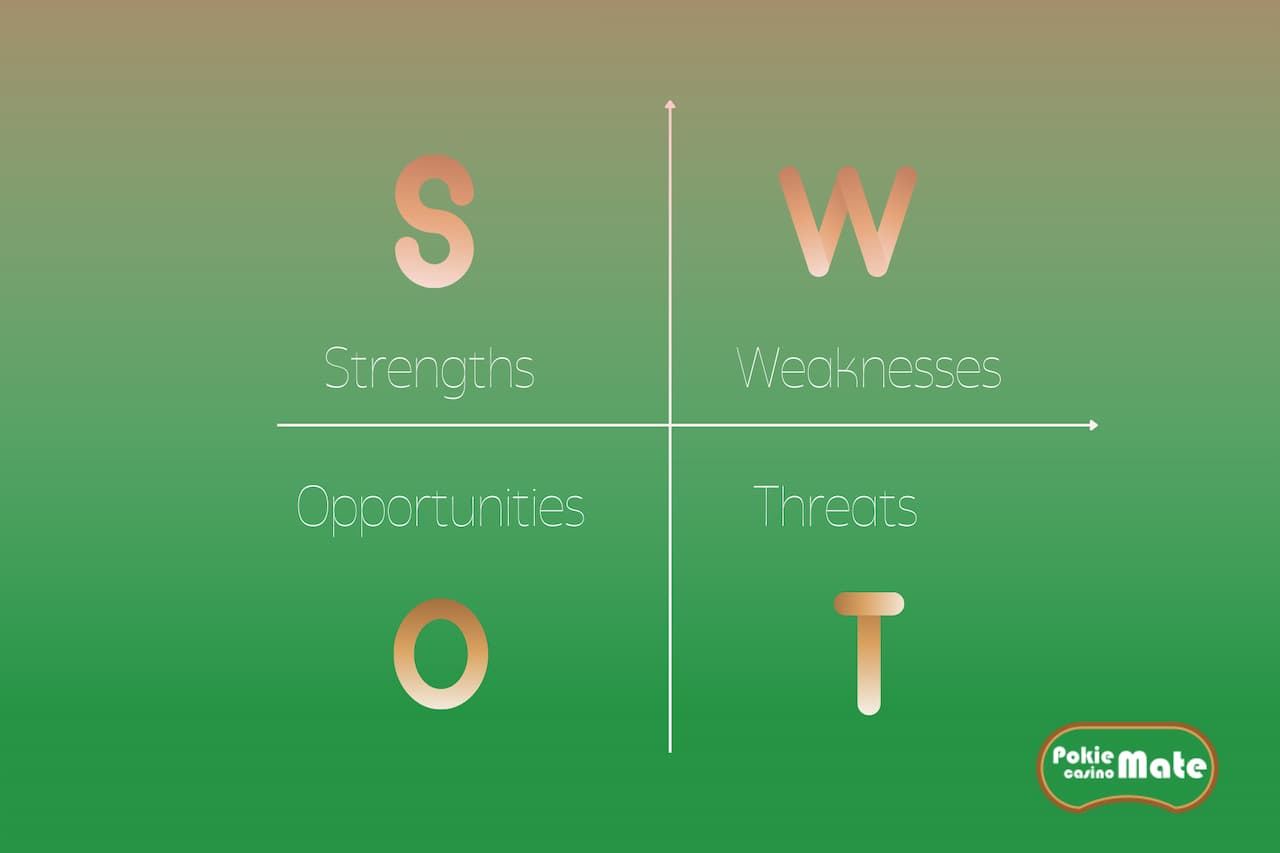
The next step is SWOT analysis (strengths, weaknesses, opportunities and threats), which helps businesses identify internal strengths that may already exist within their organization as well as external opportunities that may help drive growth in the near future if taken advantage of properly through strategic planning efforts such as marketing campaigns targeted towards specific demographics based on demographic data collected during earlier steps when analyzing target markets/segments; this allows marketers who want do market research better understand why gamblers make certain decisions while making decisions themselves about how best offer goods/services, so they, too, will attract more customers, looking for something similar but different enough from existing competitors’ offerings, so there’s still room left open.
Competitive Analysis
- Competitors. What are your competitors doing? Are online casino operators having blogs? Is one competitor focusing on SEO and another on building its brand through social media? Some are using traditional advertising, while others are using guerrilla campaigns or guerilla marketing strategies to attract attention to their brand.
- Strengths and weaknesses of online casino site competitors. What strengths do the sites have in terms of who they’re targeting with their product/service, how well they’ve branded themselves, the quality of their products/services and so forth? What weaknesses do your competitors have (for instance: poor choice of banking options or bad customer support).
- Marketing strategies used by competitors. How is each company advertising its brand or products/services; what are the companies’ promotion strategies; what types of promotions and games are being used; what kind of online marketing efforts has each competitor undertaken (for instance: social media)
Competitor Pricing Strategy
- Competitor pricing strategy can affect your own strategy and you can use it to determine the amount of a minimum deposit into your casino.
- When looking at competitor pricing strategies, you should consider which gambling products they offer and how much they charge for each product. For example, if you offer Blackjack at a $1,000 bet but your competitor provides the entertainment for $25, then you may decide to lower the starting bet in order to attract more players. If a competitor has a great reputation with its customers who will likely pay more than others would because they have such high brand loyalty or are willing to pay extra due their loyalty card program offering extra free spins, cashback offers, this should also be factored in when determining how much profit margin is needed on each item and what promos should be applied across all other similar products offered by the same business entity (remembering always that “everybody wants something free”).
Competitor Target Markets
A competitor’s target market is their ideal customer, who they want to buy their product. It’s crucial to be aware of your competitors’ target market, so you can figure out how your own product will appeal to them.
A competitor’s target market strategy is what they do to reach that audience and differentiate themselves from other options in the same category. For instance, if you have a new slot and an existing competitor has been around for 20 years, then one thing you might do to differentiate yourself from that competitor is offer free spins for the slot — a value proposition that might not be available with the older company because they are more established and don’t need to offer anything special like no deposit bonus.
Brand Positioning
The first step in developing your marketing strategy is to figure out what you’re going to say about yourself. This is brand positioning: defining the way you want consumers to perceive and remember your product or service. Brand positioning is different from other aspects of marketing because it focuses on how the casino wants to be perceived by its players, rather than on how it’s actually doing business.
Brand positioning will help guide decisions about all other parts of your marketing strategy, including target market selection and advertising messages. A strong brand position makes it easier for consumers to understand what they need from a product or service — and much more likely that they’ll buy when they see an advertisement or hear an advertisement’s message.
Demographics of the Target Market
You need to know the demographics of your target market, so you can create a marketing plan that will appeal to them. You want to reach your audience with what they want and need.
- Age – The age demographic refers to the range of people who are being targeted for a product or service. For example, if you’re marketing a casino in Australia and your target market is 18-63 year olds, then that is your age demographic.
- Gender – The gender demographic refers to the groupings of males and females within a certain defined population group.
- Race / Ethnicity – Racial and ethnic groups are usually identified by skin color/color preference, eye shape/color and hair texture; however, other factors such as body build also factor into this classification system.
- Income Level – Income level refers to how much money an individual earns per year; it is based on education level as well as employment status (full time vs part time).
Example of Geographics & Demographics of the Pokie Mate Casino Target Market
- The target market is located in Australia.
- Age: Below 21 years old
- Gender: Male, female and transgender (1 male to 1 female) – this is important because the product is for both men and women.
Psychographics of the Target Market
Psychographics is a form of market segmentation that takes into account the personality, attitudes, and lifestyles of customers. When it comes to marketing campaigns, psychographics can help you target specific groups of people based on the demographics they define themselves by.
However, here’s something to keep in mind: just because someone fits a certain demographic does not mean that person will have an interest in your product or service. To really get a sense of how you should be targeting your campaign at people who are most likely to buy from you, consider studying their psychographic profile as well as their demographic profile. What follows is an overview of some common psychographic characteristics used by marketers today (not all these are mutually exclusive):
- Communal vs. Individualist: Do they prefer group activities like going out dancing or solo pursuits such as reading books?
- Traditional vs. Progressive: Do they prefer traditional values like respect for authority and religious faith? Or do they tend towards progressive views regarding social change?
- Introvert vs Psychologist vs Extrovert: How much time do they spend alone versus in groups? This can have an impact on whether someone prefers gambling online rather than interacting with casino dealers face-to-face; it also influences whether someone prefers being left alone with his thoughts while working or playing video games; finally it affects whether he enjoys parties full of loud music and talking with friends over eating meals together quietly without conversation (introverts) or whether he prefers high energy environments where everyone feels comfortable expressing themselves openly without worrying about what others think about them (extroverts).